Alamgiri Gate
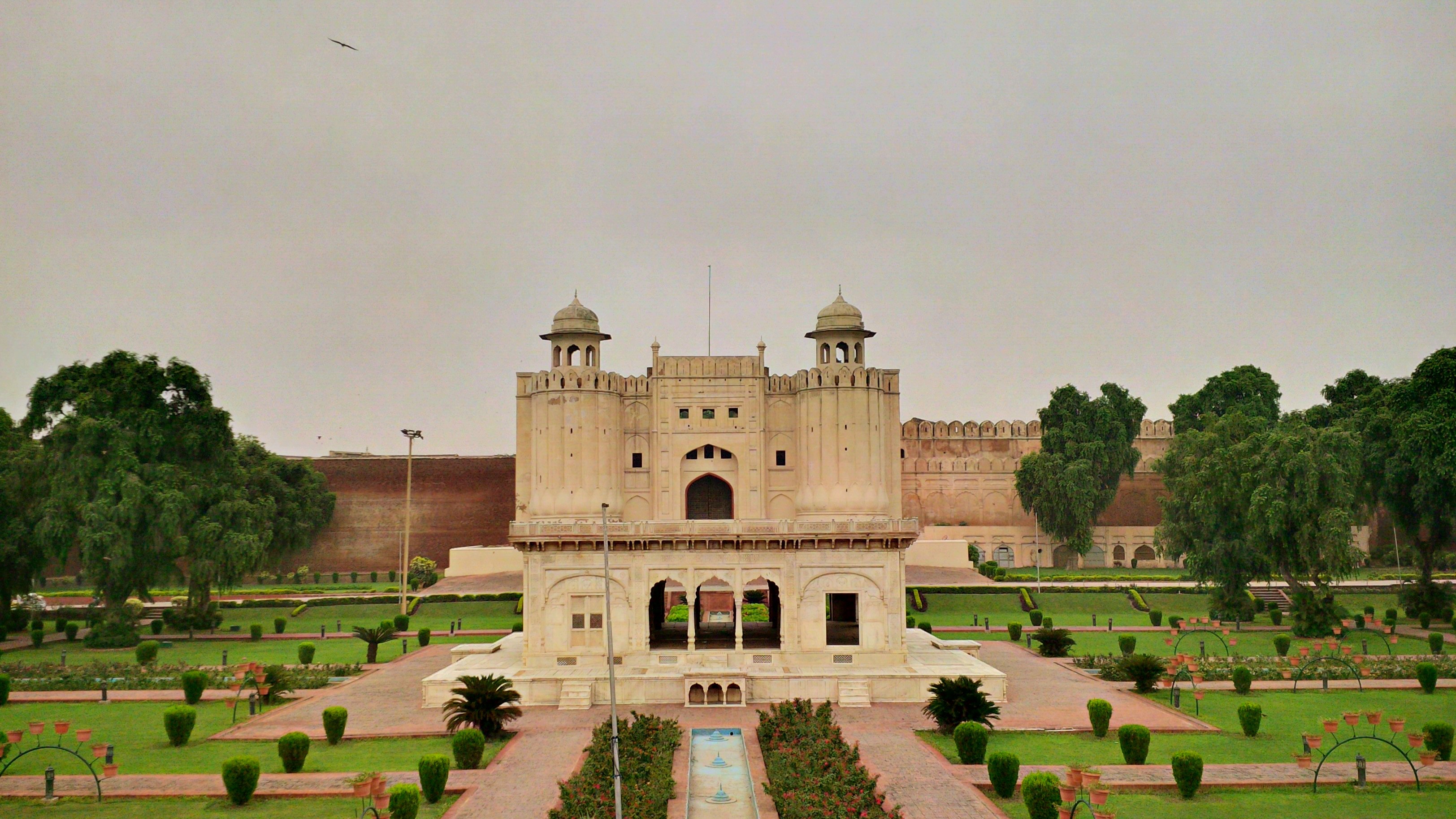
The great entrance gate built under Aurangzeb, forming the fort’s distinctive face towards Hazuri Bagh and the Badshahi Mosque.
Lahore, Punjab, Pakistan
Welcome — Lahore Fort, more commonly known as Shahi Qila (Lahore Fort). It is a historic hub in the heart of the Walled City of Lahore, Punjab, Pakistan, and an important gateway for travellers exploring the region.
Lahore Fort, more commonly called Lahore Fort or Shahi Qila, is a historic landmark in the heart of Lahore city, Punjab, Pakistan. According to the Punjab Walled City Authority, the main fort as it stands today was largely rebuilt in fired brick from around 1566 CE during the reign of Akbar, while Jahangir, Shah Jahan and Aurangzeb later added palaces, diwans, mosques and gates. In 1981 UNESCO inscribed Lahore Fort and the Shalimar Gardens on its World Heritage List.
The great entrance gate built under Aurangzeb, forming the fort’s distinctive face towards Hazuri Bagh and the Badshahi Mosque.
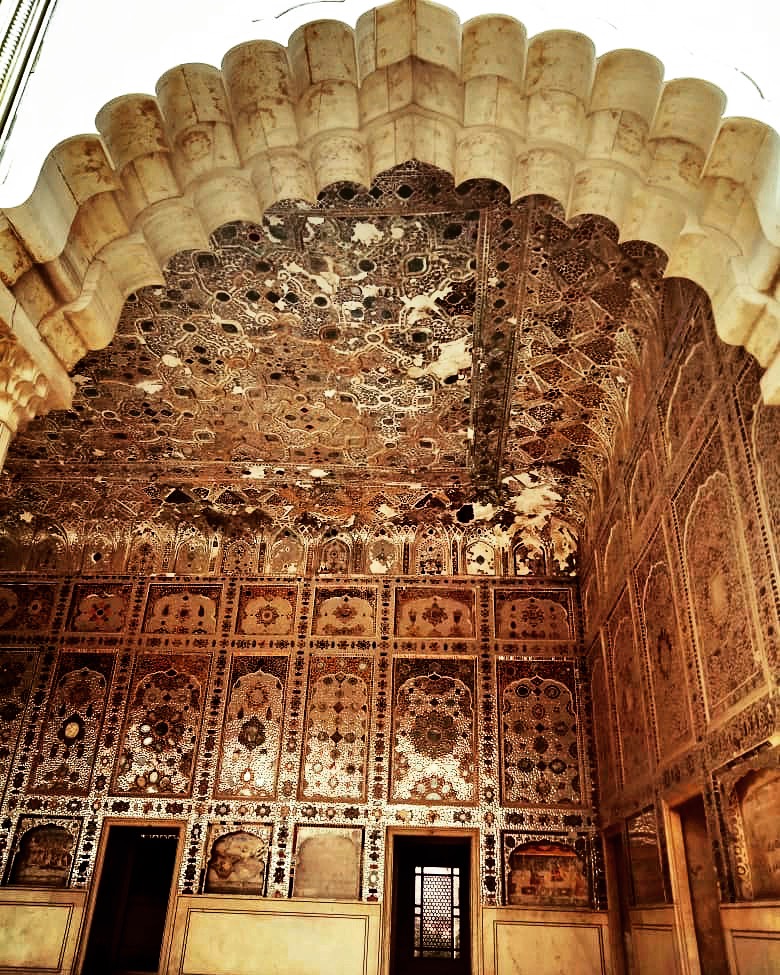
The famous royal apartment of Shah Jahan’s era, renowned for its mirror work, marble and fine ornament — to be viewed in line with conservation principles.
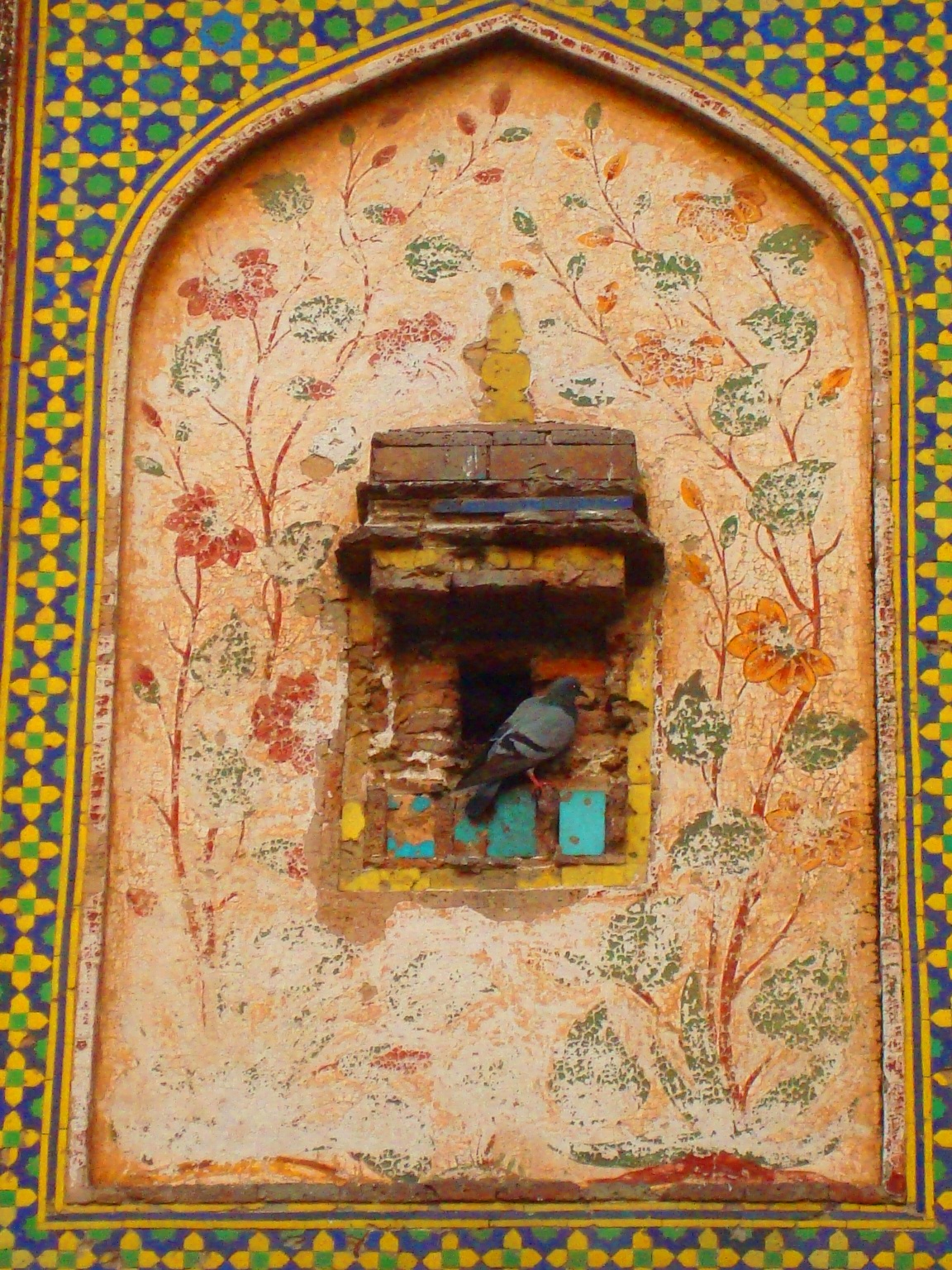
A celebrated tiled and painted wall begun under Jahangir and completed under Shah Jahan, adorned with colourful kashi tilework and murals.
Images are loaded from local project paths; the true photo credits, original photographers and open licences are listed in IMAGE-CREDITS.md.
Within its ramparts the fort hides dozens of palaces, diwans, places of worship and royal passages. Some sections may be closed at certain times or temporarily for conservation, so follow staff guidance during your visit.
Used by Mughal emperors for public and courtly audiences; the Jharoka wall was where the emperor watched assemblies and royal processions.
The private audience hall of Shah Jahan’s era for nobles, ambassadors and special guests; its marble and gilded ornament reflects royal taste.
The private residential quarters of the Mughal emperors, located in the royal corner (Shah Burj); the Sheesh Mahal is considered the finest ornament of this royal zone.
A private place of worship built under Shah Jahan (c. 1630–35), named the "Pearl Mosque" for its white marble and three domes.
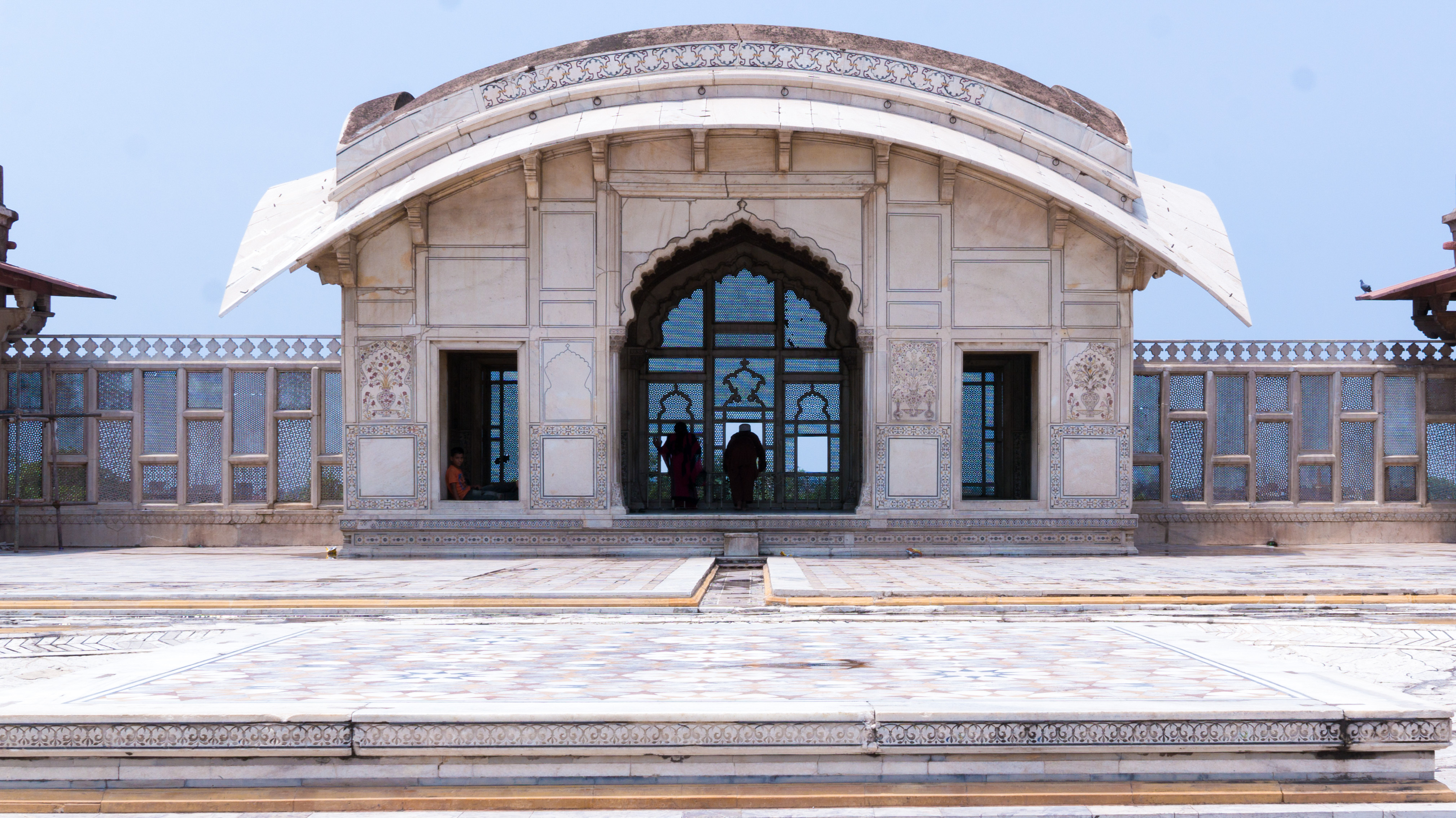
Shah Jahan’s marble private chamber, said to have cost about nine lakh rupees; also known for its curved roof and fine screens.
Wide ramps built for the royal elephants so that princes or ladies riding them could reach the upper royal quarters without dismounting.
Archaeological excavation shows evidence of human settlement here before the Mughal period; no pre-Mughal structure survives in the present buildings.
In the 16th century the fort was reorganised and expanded in fired brick, establishing the basic layout of today’s royal fort.
The royal square, the Picture Wall, the Sheesh Mahal, the diwans and fine marble sections added new layers of architecture to the fort.
In 1674 the Alamgiri Gate was built, today one of the most recognised faces of Lahore Fort.
After the decline of Mughal power, Maharaja Ranjit Singh, founder of the Sikh Empire, used the fort for his residence and court and made changes to several parts, turning it into the centre of a new political era.
After Punjab came under British control in the mid-19th century, large parts of the fort were put to military use and some fine marble ornament was damaged. Later eras increasingly recognised its importance as a protected monument.
After 1947 the Department of Archaeology and Museums, and later the Punjab Walled City Authority, have continued to supervise restoration, repair and tourist access to the fort.
In 1981 Lahore Fort and the Shalimar Gardens were inscribed on the World Heritage List. In 2000 it briefly also appeared on the List of World Heritage in Danger, later removed following conservation efforts.
Below are historical facts, reasons behind names and popular traditions associated with the fort. Each item is tagged by type so the distinction between fact and tradition is preserved; for numerical detail see the reliable references below.
When this marble chamber was completed around 1633 under Shah Jahan, it cost about nine lakh rupees. In common speech "nau lakh" corrupted into "Naulakha", and the pavilion took this name.
It is said that thousands of tiny mirrors are set into the walls and ceilings of the Sheesh Mahal. When lamps were lit inside, the reflected light made the whole chamber look like a star-filled night sky — which is why it is still considered the fort’s most enchanting ornament.
These wide, gently sloping ramps were built so that the emperor riding an elephant, or royal ladies, could reach the upper royal quarters without dismounting. In the local language it is called "Hathi Paon", the path of the elephant’s feet.
The Picture Wall is about 442 metres long and on average 15 metres high, spread along the fort’s northern and western ramparts. Work began under Jahangir and was completed under Shah Jahan; its tilework, frescoes and hunting and courtly scenes rank it among the great mural walls of the world.
This private place of worship, built under Shah Jahan (c. 1630–35), was constructed in extremely white marble. Its whiteness and lustre led to a comparison with a pearl, and the name became popular.
In the early 19th century Maharaja Ranjit Singh made the fort his residence and court. Some Sikh-style buildings were added in this period, and Lahore Fort became the political centre of a new empire.
After 1849 large parts of the fort were put to military use and several fine sections were damaged. From the 20th century, through the Department of Archaeology and, in the modern era, the Punjab Walled City Authority, it is today counted among Pakistan’s important protected historic sites.
Mornings in the cooler months are more comfortable. Allow two to three hours for a relaxed visit to the main buildings, museums and courtyards; more time helps if you are interested in architecture or photography.
General admission, student, foreign-visitor and special guided-tour rates may differ. Confirm the current price only at the authorised ticket counter or the Punjab Walled City Authority.
Available official and local references list daytime hours roughly 9:00 AM to 6:00 PM, but they may change due to weather, Ramadan, official events or conservation work. Verify before you travel.
This historic area inside the city is made up of narrow lanes and crowded streets, so it is better to set your destination to the Alamgiri Gate or the plus code H8Q7+56P. Practical guidance for different modes of travel is given below.
Allama Iqbal International Airport (LHE) lies to the east of the city. Use a taxi or ride-hailing app and enter "Alamgiri Gate, Lahore Fort" as the destination. The trip usually takes 30–50 minutes depending on traffic; allow extra time in the evening or during festivals.
Lahore Junction Railway Station is about 3–4 km from the fort. From there a rickshaw or taxi can take you to Fort Road; the journey is about 15–25 minutes depending on traffic.
Reach a nearby station of the Metro Bus or Orange Line Metro Train on the main corridor, then take an authorised rickshaw or taxi from there. Routes may vary with local traffic management, so confirm the local route before departure.
Taxis and ride-hailing apps are available across the city. Enter "Lahore Fort — Alamgiri Gate" or the plus code H8Q7+56P so the vehicle reaches the correct side inside the Walled City.
For the narrow lanes of the Walled City the rickshaw is the most suitable means. To avoid traffic snarls you can plan to walk from the nearby historic gates (such as Delhi Gate or Kashmiri Gate).
Space near the ramparts and historic gates is limited. Use designated (authorised) parking rather than roadside illegal parking; on busy days it may be better to walk in from authorised parking around Greater Iqbal Park.
Routes and parking conditions can change over time. Open Google Maps for fresh guidance or contact local traffic staff on site.Google Maps or contact local traffic staff on site.
The types of services listed below are generally available inside or near the fort. This guide does not make a commercial recommendation for any shop, hotel or business and names none; confirm the current situation on site or through official sources.
Toilets are generally available on the main public routes; some may be closed for restoration, so ask staff for fresh guidance on entry.
Water arrangements on site may be limited; on hot days it is better to carry your own water bottle.
Space near the ramparts and historic gates is limited; use designated (authorised) parking or come on foot or by rickshaw from around Greater Iqbal Park.
Fort Road Food Street and adjacent lanes offer traditional restaurants, small eateries and street food; choose by checking cleanliness, price and fresh local reviews.
Hotels and guest houses are available in the Walled City and adjacent commercial areas; review location and ratings before booking.
Shops for souvenirs, handicrafts and daily items are found in nearby lanes; bargaining over price is a local custom.
Banks and ATMs are available on nearby commercial roads; small shops may require cash, so keep some cash with you.
Besides nearby hospitals and clinics, in an emergency the Punjab government rescue service (Rescue 1122) is reachable.
Authorised guided tours may be available through the local ticket counter or the Punjab Walled City Authority; fees and availability vary with time.
Main routes may be relatively even, but historic stone stairs and thresholds can be obstacles; seek advance guidance for special needs.
Fuel stations and, where available, vehicle charging facilities exist on important nearby roads; fill up before a long trip.
The Moti Masjid is a historic monument; its use as a place of worship may depend on site rules. The area generally has locations offering public prayer facilities.
Choose a route according to your companions and pace — every route preserves the fort’s significance, only the way of seeing differs.
The open courtyards, Hazuri Bagh and the walking loop to the Badshahi Mosque suit children. Choose the morning to avoid midday heat and carry water.
Light is softest before the golden hour and around sunset. The Picture Wall, Sheesh Mahal and Naulakha Pavilion are excellent for close-up tilework.
Most main routes are even, but some parts have stairs. Focus on level paths and contact local staff in advance for guidance.
If time is short, enter through the Alamgiri Gate and see the main palaces, the Sheesh Mahal and the Picture Wall, then take a short walk around the exterior of Hazuri Bagh and the Badshahi Mosque.
Start in the morning with the fort’s inner buildings and museums, take a midday break for nearby traditional food, then in the evening complete the historic loop of Hazuri Bagh, Roshnai Gate, Ranjit Singh’s Samadhi and Minar-e-Pakistan.
The current weather and 7-day forecast are shown below. Before travelling, keep an eye on temperature, rain probability and wind; the cooler months from October to March are generally considered the most comfortable for visiting the fort.
High UV today (index 7) — use a hat, sunglasses and sunscreen.
Mild weather — normal tourist clothing is fine.
The weather forecast is taken from an independent meteorological data service; temperatures are in degrees Celsius and the forecast may change over time.
The table below is general guidance based on the long-term climatological norm of the Lahore plain and can vary with weather each year. Use it for trip planning rather than as an exact forecast.
| Season | Temperature | Conditions | Travel tip |
|---|---|---|---|
| Spring (March – April) | 20–35°C | Pleasant weather and gentle breeze; colour in gardens and courtyards | The most suitable time of the year — a visit remains enjoyable even after noon. |
| Summer (May – June) | 30–45°C | Intense heat, midday sun very strong | Visit early morning or in the evening; carry a water bottle and a hat. |
| Monsoon (July – September) | 28–38°C | Monsoon rains, sometimes heavy with humidity | Carry an umbrella and take care on slippery stone stairs; tilework looks better in post-rain light. |
| Autumn & Winter (October – February) | 7–25°C | Cool and generally clear; occasional fog or affected air quality | The most comfortable months to visit the fort — bring a light jacket and comfortable walking shoes. |
Air quality and temperature can differ from the daily forecast; see the live weather in the weather section above.in the weather section above.
During a visit to Lahore Fort you can also easily see historic sites such as Badshahi Mosque, Hazuri Bagh, Roshnai Gate, Minar-e-Pakistan, all within the same historic walking loop.
The great Mughal mosque across Hazuri Bagh, viewable in the same historic walking loop as the fort.
An important part of the royal townscape between the fort and the mosque, where the urban layout of Mughal Lahore is well felt.
A national monument in Greater Iqbal Park, easily included in the historic trip around the fort.
Fort Road Food Street and inner Lahore offer traditional Punjabi and Lahori food. This guide does not make a commercial recommendation for any particular business; choose by checking cleanliness, price and fresh local reviews.
Local breakfasts such as halwa puri, chickpeas and lassi are popular choices to pair with a morning visit.
Karahi, kebabs, naan and other Punjabi cuisine are an important part of the region’s food identity.
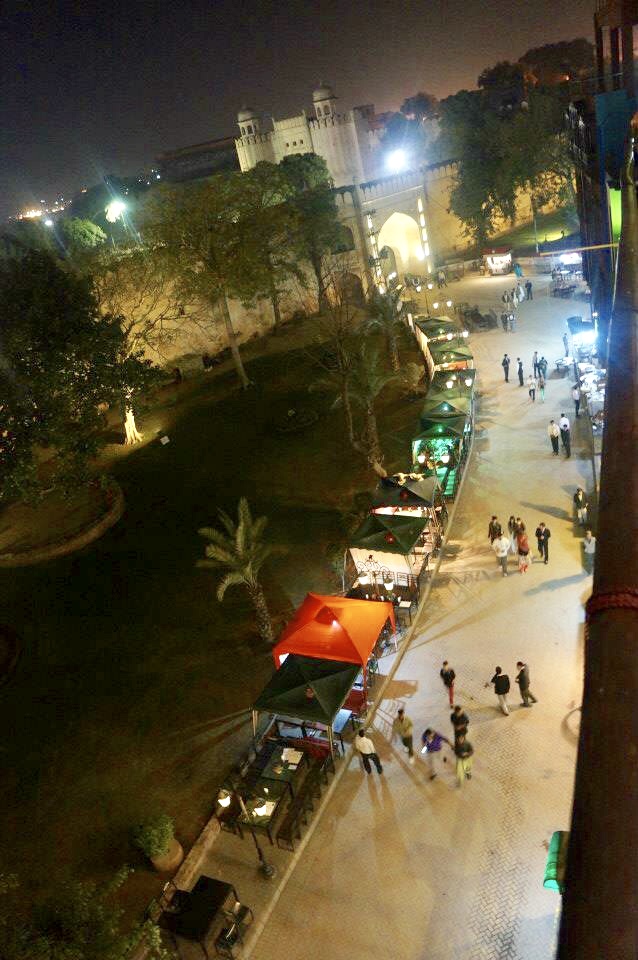
In the evening, historic rooftops and lanes offer views of the fort and Badshahi Mosque; check timings and access on site.
Lahore Fort is located at Fort Road, Walled City of Lahore, Lahore, Punjab, Pakistan; GPS coordinates: 31.5882737, 74.3128776.
For official information and fresh notices see the Punjab Walled City Authority — Lahore Fort and the Pakistan Tourism Development Corporation.Punjab Walled City Authority — Lahore Fort · Tourism Development Corporation of Punjab
This guide is an independent, non-profit information project. Your role in preserving the fort is part of its care — the points below will help during your visit.
The fort’s tilework, frescoes and mirror work are rare. Do not touch the walls, columns and motifs, and keep flash photography limited so colours are preserved.
Take your litter with you or use the designated recycling points. Keeping the historic enclosure clean is necessary for future generations.
The Walled City is a residential area. Be mindful of noise, cameras and the use of pathways with respect for local people and traders.
Keep your footing on stone stairs, stay hydrated in summer and avoid slippery sections after rain. In an emergency Rescue 1122 is reachable.
Two to three hours is usually suitable for a relaxed look at the main buildings, museums and courtyards. More time helps if you are interested in architecture or photography.
Hours and fees can change, so confirm with the Punjab Walled City Authority or the local ticket counter before travelling.
Space near the Walled City gates may be limited. Use designated parking or come on foot or by rickshaw from authorised parking around Greater Iqbal Park.
The Badshahi Mosque, Hazuri Bagh, Roshnai Gate, Ranjit Singh’s Samadhi and Minar-e-Pakistan are nearby and can fall within the same historic walking loop.
Generally, toilets and water arrangements exist on the main public routes; however, the situation may change due to restoration or closure of specific sections, so ask staff for fresh guidance on entry.
The fort is historic and uneven in places; some sections are reachable only by stairs. For special needs, inquire with the Punjab Walled City Authority or local administration about the practical route before departure.
From the historic gates of the Walled City (such as Delhi Gate or Kashmiri Gate) walk or take a rickshaw to Fort Road. The Alamgiri Gate face is the fort’s prominent front and connects in front of the Badshahi Mosque.
Allama Iqbal International Airport (LHE) is east of the city. Use a taxi or ride-hailing app and enter "Alamgiri Gate, Lahore Fort" or the plus code H8Q7+56P as the destination; the trip usually takes 30–50 minutes depending on traffic.
Reach a nearby station of the Lahore Junction Railway Station and the Metro Bus or Orange Line Metro Train on the main corridor, then take an authorised rickshaw or taxi from there. The route may change with local traffic management, so confirm the local route before departure.
The cool season from October to March is considered the most comfortable for visiting the fort. In summer (April to June) a morning visit is better to reduce midday heat, while July to September carries a chance of monsoon rains.
Photography is generally permitted in the outer sections, but under Punjab Walled City Authority rules some sensitive inner locations, commercial shoots or drones may require restrictions or permission. Follow on-site instructions.
Authorised guided tours may be available through the local ticket counter or the Punjab Walled City Authority. Fees and availability vary with time, so confirm before travelling.
Fort Road Food Street and inner Lahore offer traditional Punjabi food, breakfast and street food. This guide does not make a commercial recommendation for any particular business; choose by checking cleanliness, price and fresh local reviews.
Lahore Fort is located on Fort Road, Walled City of Lahore, Punjab, Pakistan. GPS coordinates: 31.5882737, 74.3128776.
The entry fee is set by the Punjab Walled City Authority or the local ticket counter and may change over time (separate rates may apply for general, student, foreign visitor and guided tour). Confirm the fresh "Lahore Fort ticket price" on site or through official sources.
Available official and local references generally list daytime hours as 9:00 AM to 6:00 PM, but they may change due to weather, Ramadan, official events or conservation work. Check the latest "Lahore Fort opening hours" before you travel.
The Sheesh Mahal is a private royal apartment of Shah Jahan’s era with mirror work, marble and fine ornament. It is one of the fort’s most famous monuments and is considered a masterpiece of Mughal architecture.
The Alamgiri Gate was built in the era of Aurangzeb (1674) and is the fort’s prominent entrance face opening towards Hazuri Bagh and the Badshahi Mosque. It is counted among Lahore’s most recognisable historic buildings.
The main fort as it stands today was largely rebuilt in fired brick from around 1566 CE during the reign of Akbar; later Jahangir, Shah Jahan and Aurangzeb added palaces, diwans, mosques and gates. In 1981 UNESCO inscribed it on the World Heritage List.
* The rating and number of reviews on Google Maps are based on user-provided information and may change over time.